
For years, success in the festival industry was measured by one thing, attendance.
Bigger crowds. More stages. More artists. Larger sites. The assumption was simple. If a festival was growing, it must be succeeding. Today, organisers are asking a different question. “How do we create a better experience for every person who walks through the gates?”
Because growth on its own doesn’t guarantee a memorable event. The festivals people return to year after year aren’t necessarily the biggest, they’re the ones that make people feel something.
Festivals Have Changed. So Have Their Audiences.
Not long ago, a festival ticket meant one thing, music. Now it can mean almost anything. Yoga at sunrise. Comedy after lunch. Family workshops. Outdoor cinema. Wellness spaces. Creative talks. Immersive theatre. Silent discos. Food experiences. Children’s entertainment. The modern festival audience expects far more than a lineup, they’re looking for experiences that fill an entire weekend, not just the hours between headline acts.
The result is that organisers are thinking far more carefully about how every part of the site contributes to the overall atmosphere.
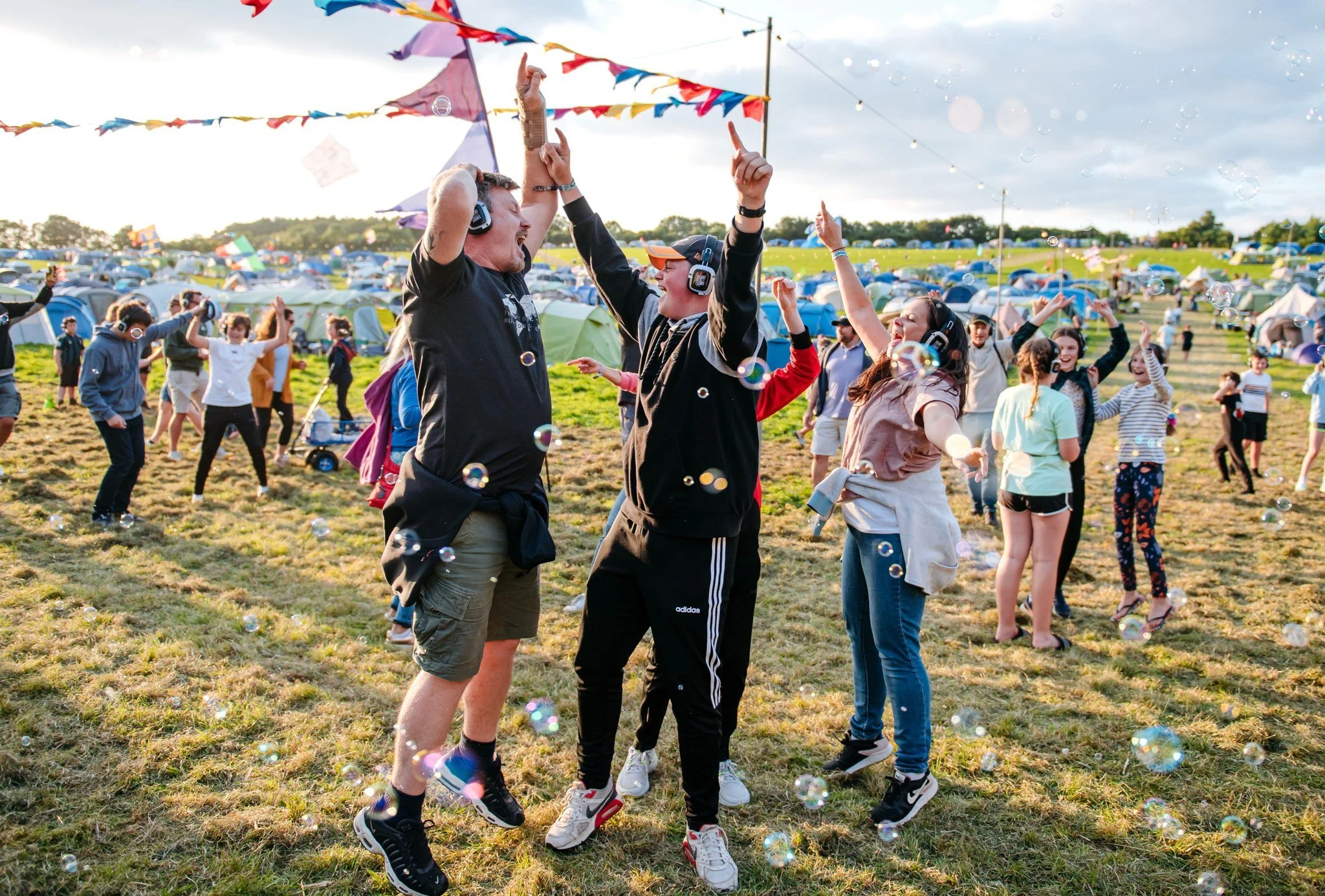
It sounds contradictory, after all, festivals are built around music, but some of the most memorable moments now happen away from the main stages. Families watching a film under the stars. Hundreds of people singing together through wireless headphones. Children dancing to their favourite songs while parents relax nearby. These moments create balance. They give visitors somewhere to recharge before heading back into the energy of the main arena.
Sometimes the most valuable addition to a festival isn’t another stage, it’s an entirely different experience.
What If One Space Could Become Five?
Every square metre of a festival site is valuable. So why should one area only serve one purpose?
With wireless headphone technology, the same location can host very different experiences throughout the day. Morning wellbeing sessions. Children’s entertainment in the afternoon.
Panel discussions. Silent cinema after sunset. Late night silent disco until the early hours.
Instead of building separate venues for each activity, organisers can completely transform one area simply by changing what’s playing through the headphones. It’s one of the smartest ways to maximise programming without expanding the footprint of the event.
Accessibility Is Becoming Part of Great Festival Design
The best festivals are designed with every visitor in mind. That means considering the needs of parents with young children, older attendees, guests with hearing impairments, people who prefer quieter environments and neurodivergent visitors who may find busy festival settings overwhelming. No two people experience an event in exactly the same way, and the most successful organisers recognise that creating an inclusive environment benefits everyone, not just those with specific accessibility requirements.
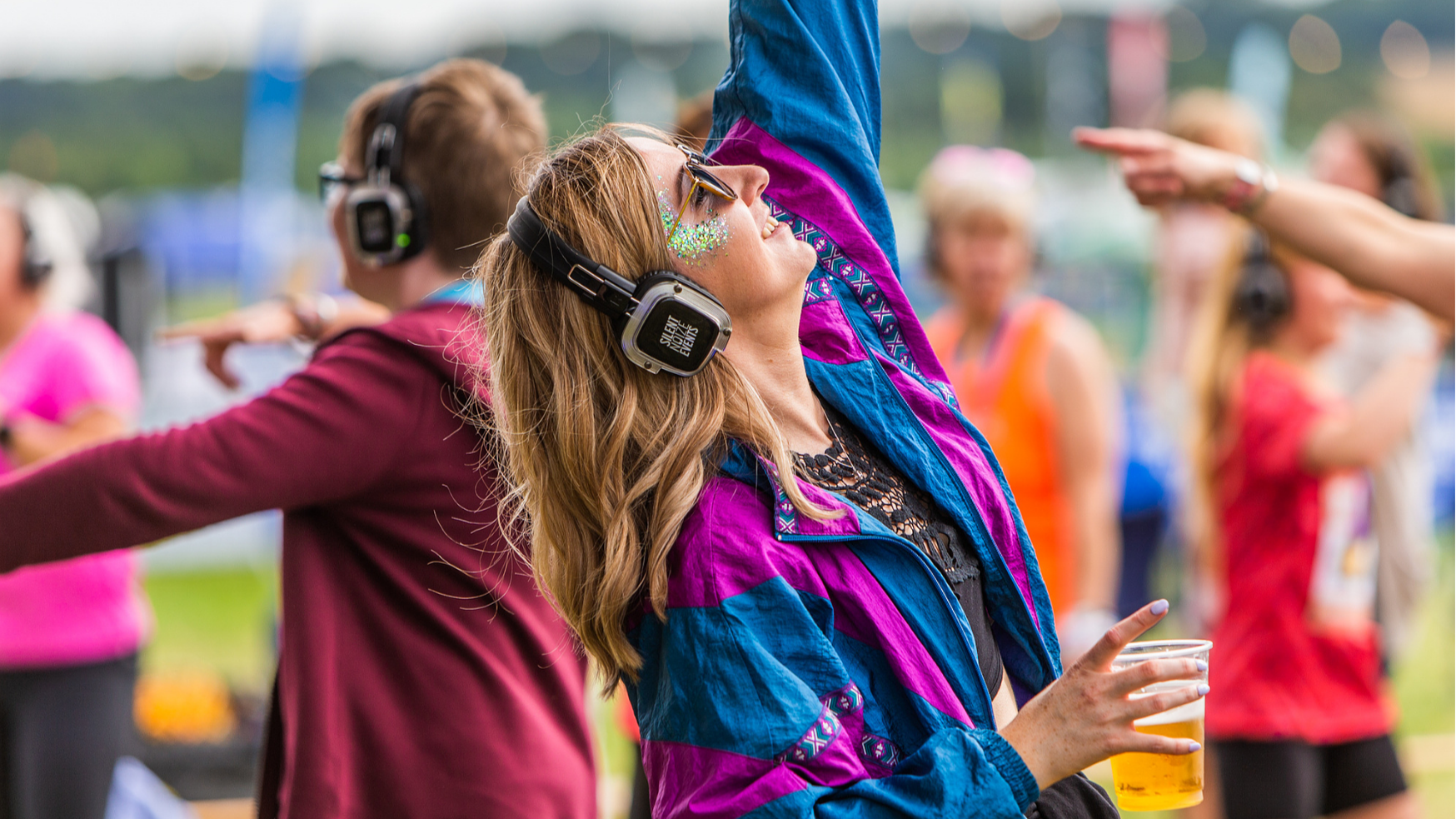
Technologies such as wireless headphones are playing an increasingly important role in making this possible. By giving attendees control over their own listening volume while reducing surrounding noise, they create a more comfortable, personalised experience that allows people to engage with performances on their own terms. Whether it's improving clarity, reducing sensory overload or simply making it easier to focus, small adjustments like these can have a significant impact on the overall visitor experience.
Accessibility is no longer something added at the end of the planning process to meet expectations or tick a box. It is becoming one of the defining characteristics of great event design, helping festivals create experiences that are more welcoming, more inclusive and ultimately more enjoyable for every attendee.
The Festivals People Talk About Afterwards
Every festival offers great artists, quality food and well stocked bars. Those elements are expected. What people remember are the moments they never saw coming. It might be watching Top Gun beneath the stars, hundreds of strangers singing together through wireless headphones, children laughing as their parents join in, or taking part in a sunrise yoga session with nothing but birdsong beyond the headset. These are the experiences that surprise people, creating memories that stay with them long after the event has ended.
They are also the moments that people instinctively reach for their phones to capture and share. They fill social media feeds, spark conversations and become the stories attendees tell friends and family when they get home. More importantly, they create an emotional connection with the event itself. While line ups may bring people through the gates for the first time, it's these unexpected shared experiences that keep them coming back year after year, turning first time visitors into lifelong attendees.
Looking Ahead
Festival audiences are evolving faster than ever. While headline acts remain a major draw, visitors are increasingly looking for much more than what's happening on the main stage. It's the experiences between the performances, the quieter moments away from the crowds, the unexpected discoveries and the activities that give a festival its own unique personality that leave the biggest impression. Today's audiences want to feel immersed in an event from the moment they arrive until long after the final act has finished.
For organisers, that presents an exciting opportunity. The future of festivals isn't simply about booking bigger artists or building larger stages. It's about creating richer, more diverse experiences that appeal to wider audiences, encourage visitors to stay on site for longer and make every part of the festival work harder. Whether that's through immersive entertainment, family activities, wellness experiences or interactive attractions, every space has the potential to become part of the story.
At Silent Noize Events, we've worked alongside festivals across the UK to deliver silent discos, outdoor cinemas, family entertainment, wellness experiences and immersive activations that transform ordinary spaces into unforgettable experiences. Because long after the final headline act has left the stage, it's rarely the set list that people remember most. It's the moments they never expected that become the stories they tell and the reason they come back the following year.